In short
- FOMEMA is the compulsory medical examination for foreign workers in Malaysia. New arrivals must be registered within 72 hours of arriving, and since December 2023 every foreign worker needs it every year.
- The employer registers and pays online. The worker is then examined at a FOMEMA panel clinic, with an X-ray and lab tests.
- A pre-employment medical check-up for local staff isn’t set by one law. The employer decides what’s needed, based on the job.
- Some jobs, such as noise or chemical exposure, driving, or food handling, also come with legal health requirements.
Hiring staff in Malaysia usually involves a medical check-up. For foreign workers, it’s the FOMEMA medical check-up, a government-mandated process with strict deadlines. For local hires, it’s a pre-employment medical check-up designed around the job. This guide explains both: the steps, what’s tested, how long it takes, what the results mean, and how employers can stay compliant.
What is FOMEMA?
FOMEMA Sdn Bhd is the company appointed by the Ministry of Health to run the medical screening of foreign workers. The exam checks that workers are fit to work and free of a list of communicable diseases and other conditions. The results go to the Immigration Department, which uses them to issue or renew the worker’s permit (PLKS).
The requirement applies to foreign workers on temporary employment passes, usually in sectors such as manufacturing, construction, plantations, agriculture and services, and to foreign domestic helpers. Expatriates on professional passes go through a different process.
When does a foreign worker need a FOMEMA exam?
| Situation | Deadline |
|---|---|
| New arrival | Register the worker within 72 hours of arrival in Malaysia |
| Permit renewal | Register up to 3 months before the permit expires. The worker must then be examined within 72 hours of registration. |
| Ongoing | Every year: annual screening has applied to all foreign workers since 16 December 2023 |
Results are sent to Immigration electronically, usually within about seven working days of the exam, and stay valid for a limited time. Plan renewals early, so a late result doesn’t hold up a permit.
FOMEMA step by step
- Register online. The employer or agent registers the worker on the FOMEMA portal, pays the fee, and chooses a panel clinic and X-ray centre. Since September 2026, employers must also give and verify the worker’s accommodation address when registering.
- Visit the panel clinic. The worker brings their passport and the registration details. The clinic verifies the worker’s identity and examines them.
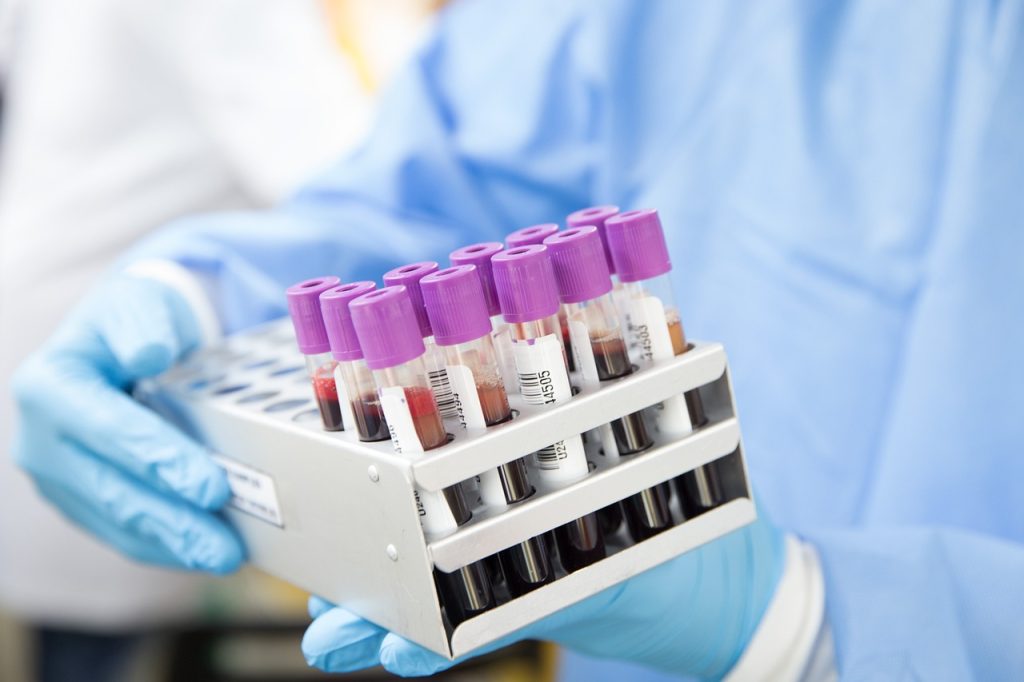
- Tests. Blood and urine samples are taken, and the worker has a chest X-ray at the assigned centre.
- Results. FOMEMA reviews the findings and sends the status to Immigration. The employer can check the status online.
What does the FOMEMA medical check-up test for?
The exam includes a physical examination by the panel doctor, a chest X-ray (mainly for tuberculosis), and blood and urine tests. These screen for communicable diseases such as tuberculosis, HIV, hepatitis B and C, syphilis and filariasis, and for drug use, including methamphetamine. Women are also tested for pregnancy. The doctor also checks for serious chronic conditions that would make the worker unfit for the job.
Workers don’t need to fast. They should bring their passport, and their glasses if they wear them.
FOMEMA results explained
- Suitable: the worker is medically fit, and the employer can continue with the permit.
- Unsuitable: the worker has a condition that makes them unfit under the rules. Immigration won’t issue or renew the permit, and the worker must be repatriated, though employers may appeal in some cases.
- Under review (FOMEMA Review): FOMEMA is checking the findings, for example asking for an X-ray to be re-read.
If you disagree with an unsuitable result, check FOMEMA’s appeal procedure promptly, as there are time limits.
Pre-employment medical check-up for local staff
For Malaysian employees, no single law sets out a standard pre-employment check-up. The employer decides what’s needed, ideally based on the actual tasks of the job. The aim is to confirm that the person can do the job safely, and to record a baseline in case work affects their health later.
A typical pre-employment medical check-up includes:
- a medical history and physical examination, with blood pressure, BMI and an eyesight check (including colour vision for some jobs)
- basic blood tests, such as a full blood count, and sometimes blood sugar or hepatitis B
- a urine test, sometimes including a drug screen
- a chest X-ray, for some employers and jobs
- a fitness-to-work statement from the doctor
Jobs with extra legal requirements
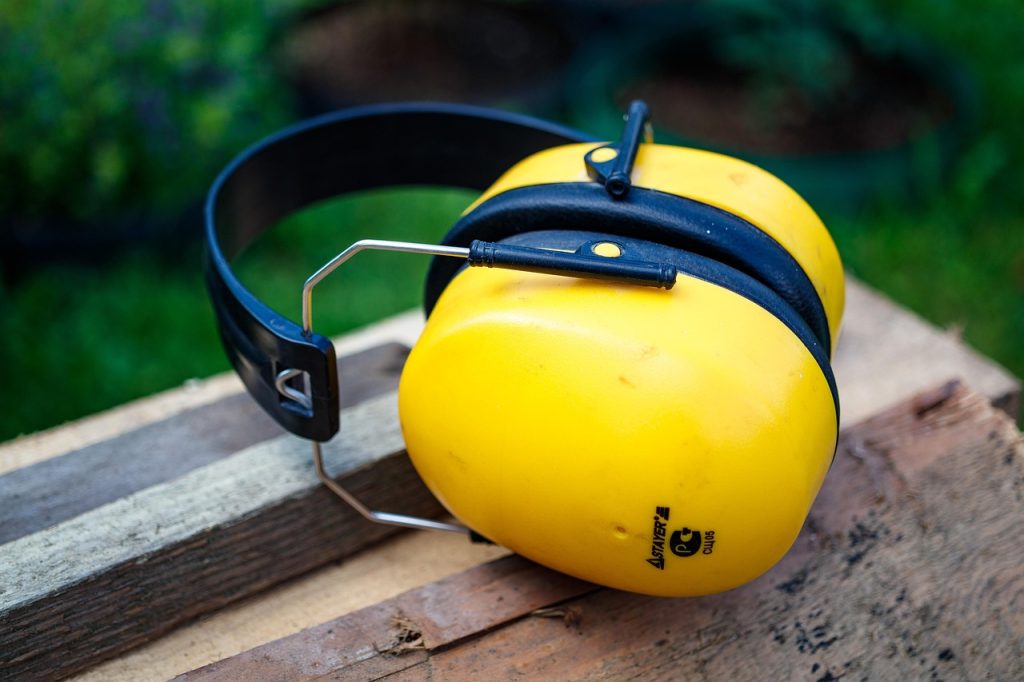
- Noise exposure: under the Occupational Safety and Health (Noise Exposure) Regulations 2019, workers exposed to excessive noise need a baseline and then annual audiometry test.
- Chemicals hazardous to health: some chemicals require medical surveillance by a DOSH-registered occupational health doctor.
- Food handlers: a typhoid injection and food handler training are compulsory.
- Commercial drivers (for example GDL and PSV licences): a medical examination is needed for the licence.
Tips for employers
- Keep a calendar of permit expiry dates, and register FOMEMA renewals well within the three-month window.
- Explain the process to workers in a language they understand, and arrange transport to the clinic and X-ray centre.
- Match pre-employment tests to the job. Asking for tests that aren’t relevant to the work adds cost and raises privacy concerns.
- Keep medical results confidential and separate from general HR files.
- Combine needs where you can, such as pre-employment checks, annual screening, vaccinations and hearing tests, under one provider.
Pre-employment and foreign worker screening at CareClinics
CareClinics clinics offer pre-employment screening, foreign worker screening, fit-to-work assessments, audiometry, X-rays and lab tests. See our FOMEMA page, find a clinic near you, or book an appointment. For company-wide arrangements, talk to our Corporate Health and Occupational Safety & Health teams.
Frequently asked questions
When must a new foreign worker do the FOMEMA medical check-up?
The employer must register a newly arrived foreign worker with FOMEMA within 72 hours of arrival in Malaysia, and the worker is then examined at a FOMEMA panel clinic.
Is the FOMEMA medical check-up yearly?
Yes. Since 16 December 2023, all foreign workers must undergo the FOMEMA medical examination every year. Employers can register for a renewal up to three months before the work permit expires.
What does FOMEMA test for?
A physical examination, a chest X-ray, and blood and urine tests that screen for communicable diseases such as tuberculosis, HIV, hepatitis B and C, syphilis and filariasis, for drug use including methamphetamine, and for pregnancy in women.
How long do FOMEMA results take?
FOMEMA aims to send the result to the Immigration Department within about seven working days of the examination. Employers can check the status online through the FOMEMA portal.
What does ‘unsuitable’ mean in a FOMEMA result?
The worker was found to have a condition that makes them unfit for employment under the rules, so the work permit won’t be issued or renewed. Employers may appeal in some cases, within FOMEMA’s time limits.
What is included in a pre-employment medical check-up?
Usually a medical history and physical examination, blood pressure, BMI and an eyesight check, basic blood and urine tests, sometimes a drug screen and chest X-ray, and a fitness-to-work statement. Employers should match the tests to the job.
Is a pre-employment medical check-up compulsory in Malaysia?
There is no single law requiring one for local staff, but some jobs carry legal health requirements, such as audiometric testing for noise exposure, medical surveillance for certain chemicals, typhoid vaccination for food handlers, and medical exams for commercial driving licences.
Sources
- FOMEMA: Foreign worker’s medical examination FAQ
- Immigration Department of Malaysia: Foreign worker
- The Star: Foreign worker registration to get new address check (Sep 2026)
Last updated 2 November 2026. This article is general health information, not a diagnosis or a substitute for advice from your own doctor. Guidelines and travel or work requirements change, so check with a CareClinics doctor before you act on it.