In short
- Dengue has three phases: febrile (fever, days 1 to 7), critical (when the fever comes down) and recovery.
- The critical phase is the most dangerous. Many people feel better because the fever is gone, just as fluid starts leaking from the blood vessels.
- An NS1 test confirms dengue early, in the first days of fever. Your platelet count and haematocrit are checked to track how the illness is going.
- Take paracetamol only. Avoid ibuprofen, aspirin and other anti-inflammatory painkillers, and drink plenty of fluids.
Dengue is spread by the bite of infected Aedes mosquitoes and is common across Malaysia all year round. Most people recover within a week or two, but some develop severe dengue, which can be fatal without good care. The key to staying safe is knowing the phases of dengue: what’s normal at each stage, which warning signs to watch for, and when to go back to the doctor. This guide explains the phases, the tests your doctor will use (including the NS1 test and platelet count), and how to look after someone at home.
Dengue symptoms
Symptoms usually start 4 to 10 days after the mosquito bite:
- a sudden high fever, often 39 to 40°C
- severe headache and pain behind the eyes
- muscle, joint and bone pain
- nausea, vomiting and loss of appetite
- a rash, which can appear a few days into the illness
- mild bleeding, such as bleeding gums, nosebleeds or easy bruising
The three phases of dengue
| Phase | When | What happens | What to watch |
|---|---|---|---|
| 1. Febrile phase | First 2 to 7 days | High fever, aches, headache, poor appetite | Drinking enough, passing urine; get tested early |
| 2. Critical phase | Around the time the fever falls, often days 3 to 7, lasting about 24 to 48 hours | Blood vessels can become leaky, so fluid moves out of the bloodstream. Platelets usually drop to their lowest. | Warning signs (see below); daily blood tests |
| 3. Recovery phase | The 48 to 72 hours after the critical phase | Leaked fluid returns to the bloodstream; appetite and energy return; platelets rise | Itchy rash and slow heart rate are common; avoid overloading with fluids |
Why the critical phase is dangerous
When the fever breaks, it’s natural to think you’re getting better. But this is exactly when plasma leakage can happen in some patients. If too much fluid leaks out of the blood vessels, blood pressure falls and the person can go into shock, which may lead to severe bleeding and organ damage. With close monitoring and the right fluids, almost all of these patients recover. That’s why doctors check dengue patients daily through this phase, even when they feel fine.
Warning signs: go to a doctor or hospital immediately if there is…
- severe or persistent stomach pain or tenderness
- vomiting that won’t stop, or being unable to drink
- bleeding from the gums or nose, vomiting blood, or black stools
- passing very little urine (nothing for 4 to 6 hours)
- restlessness, confusion, unusual drowsiness or fainting
- cold, clammy hands and feet, or difficulty breathing
These can appear just as the fever settles. Don’t wait for the next appointment.
How dengue is diagnosed
NS1 antigen test
NS1 is a protein made by the dengue virus. An NS1 test, either a rapid test or a laboratory test, detects it in the blood early in the illness, during roughly the first week of fever and most reliably in the first few days. A positive NS1 test confirms dengue.
A negative NS1 doesn’t completely rule dengue out, especially later in the illness. If your doctor still suspects dengue, they may repeat the test or check antibodies.
Dengue antibody tests (IgM and IgG)
Your body starts making IgM antibodies around four to five days into the illness, so antibody tests become more useful as NS1 fades. Many rapid “combo” tests check NS1, IgM and IgG together.
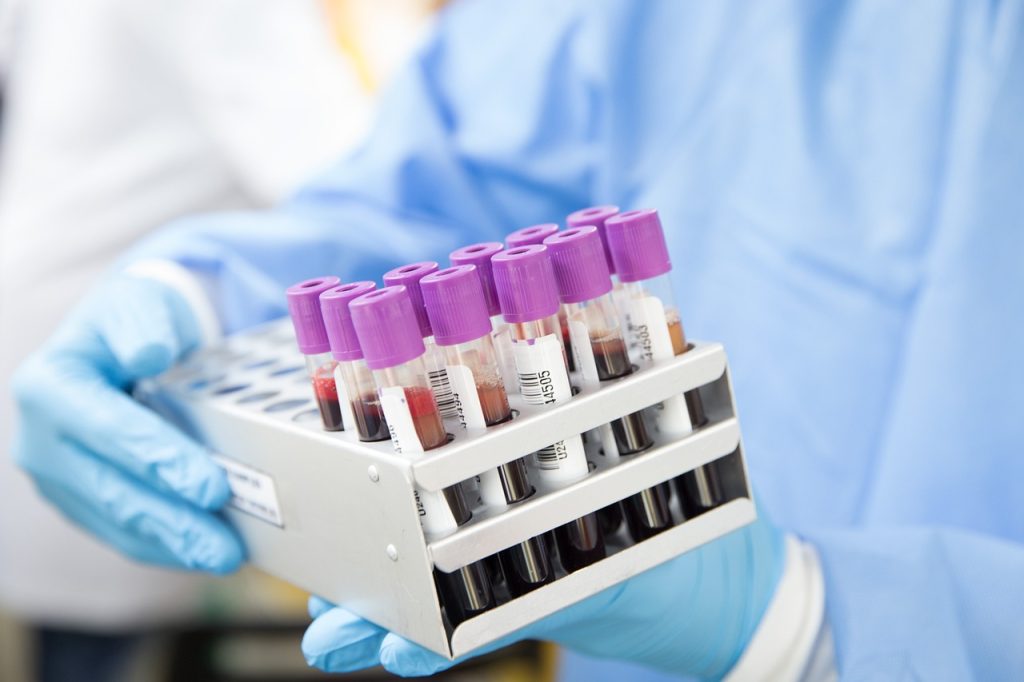
Full blood count: platelets and haematocrit
This is how doctors track dengue from day to day:
- Platelets help the blood clot. A normal count is about 150,000 to 400,000 per microlitre (often written as 150 to 400 ×109/L). In dengue they usually fall, sometimes very low, and are lowest around the critical phase before rising in recovery.
- Haematocrit (the proportion of red cells in the blood) rising while platelets fall quickly is a sign of plasma leakage, and one of the things doctors watch for most closely.
- White cells often drop early in dengue, which helps point to the diagnosis.
A low platelet count on its own doesn’t decide whether you need hospital. Doctors look at the whole picture: your symptoms, warning signs, blood pressure, urine output and blood tests. Platelet transfusions are rarely needed.
Caring for dengue at home
If your doctor says you can be managed at home:
- Rest, and stay off work or school until the doctor says you’ve recovered.
- Drink plenty of fluids: water, oral rehydration salts, soup, milk and fruit juice. Aim for clear, regular urine. Avoid fizzy drinks and anything dark or red, which can hide bleeding in vomit.
- Use paracetamol for fever and pain, at the dose on the label and no more. Sponging with lukewarm water also helps.
- Don’t take ibuprofen, aspirin, diclofenac, mefenamic acid or other NSAIDs. They increase the risk of bleeding. Avoid injections into the muscle, too.
- Go back for blood tests as your doctor asks, usually daily from about day 3 of fever until you’re through the critical phase.
- Keep a simple record of temperature, how much you drink and when you pass urine. It helps your doctor.
Some groups should be seen more closely, and are more likely to be admitted: babies and older adults, pregnant women, and people with diabetes, high blood pressure, heart or kidney disease, or obesity.
Preventing dengue
- Check your home weekly for standing water: flower-pot trays, containers, blocked drains, roof gutters and discarded tyres.
- Use mosquito repellent containing DEET, picaridin or IR3535. Aedes mosquitoes bite mainly during the day, especially early morning and late afternoon.
- Wear long sleeves and trousers, and use screens or nets.
- If someone at home has dengue, protect them from mosquito bites so the virus doesn’t spread to others.
A dengue vaccine (Qdenga) has been approved in Malaysia since 2024 for people aged 4 and above. It’s given as two doses three months apart, and you don’t need a blood test first. Ask your doctor whether it suits you, especially if you’ve had dengue before. It’s also a good time to check whether your flu vaccine is due.
Fever? Get checked early at CareClinics
CareClinics clinics can assess fever, run dengue tests and full blood counts, follow you up through the critical days, and advise on the dengue vaccine. Find your nearest clinic or book an appointment. If you have any warning signs, go to the nearest emergency department.
Frequently asked questions
What are the three phases of dengue?
The febrile phase (high fever for about 2 to 7 days), the critical phase (around the time the fever falls, lasting about 24 to 48 hours, when plasma leakage can occur) and the recovery phase (the following 48 to 72 hours, when fluid returns to the bloodstream and platelets rise).
Which stage of dengue is the most dangerous?
The critical phase, which usually starts around day 3 to 7 as the fever comes down. Blood vessels can leak fluid, which can lead to shock and bleeding. Patients need close monitoring and daily blood tests during this time, even if they feel better.
When should I do an NS1 test for dengue?
Early, during the first days of fever. NS1 is most reliable in roughly the first week of illness. A positive result confirms dengue, but a negative result does not rule it out, especially later in the illness, when antibody (IgM) tests become more useful.
What platelet count is dangerous in dengue?
A normal count is about 150,000 to 400,000 per microlitre, and platelets often drop in dengue. Doctors don’t decide on hospital care by platelet count alone. A rising haematocrit with rapidly falling platelets, warning signs, low blood pressure or reduced urine output matter more.
What are the warning signs of severe dengue?
Severe or persistent abdominal pain, persistent vomiting, bleeding from the gums or nose, vomiting blood or black stools, passing little urine, restlessness or drowsiness, and cold, clammy hands and feet. Go to a doctor or hospital immediately if any appear.
What medicine can I take for dengue?
Paracetamol only, at the dose on the label, for fever and pain. Avoid ibuprofen, aspirin, diclofenac, mefenamic acid and other anti-inflammatory painkillers, as they increase the risk of bleeding.
Is there a dengue vaccine in Malaysia?
Yes. Qdenga has been approved in Malaysia since 2024 for people aged 4 and above. It is given as two doses three months apart, without a blood test first. Ask your doctor whether it suits you.
Sources
- World Health Organization: Dengue and severe dengue fact sheet
- US CDC: Clinical testing guidance for dengue
- US CDC: Clinical features of dengue
- NPRA: Dengue vaccine (Qdenga) frequently asked questions
Last updated 2 November 2026. This article is general health information, not a diagnosis or a substitute for advice from your own doctor. Guidelines and travel or work requirements change, so check with a CareClinics doctor before you act on it.