In short
- The typhoid injection is a single jab that protects against typhoid fever for about three years.
- In Malaysia it is compulsory for every food handler under the Food Hygiene Regulations 2009, together with a food handler training course.
- Travellers should have it at least two weeks before going somewhere typhoid is common.
- It lowers your risk a lot but not completely, so clean food, water and hand washing still matter.
If you work with food in Malaysia, sooner or later your employer, your local council or a health inspector will ask for proof of your typhoid injection (suntikan tifoid). Travellers heading to South Asia, Africa or other high-risk areas are also advised to get it. This guide explains what the vaccine is, who needs it, how long it lasts, and what to expect on the day.
What is typhoid fever?
Typhoid fever is an infection caused by the bacterium Salmonella Typhi. It spreads through food and drinks contaminated with the faeces of an infected person. That person can be someone who is ill, or a carrier: someone who feels perfectly well but still sheds the bacteria. Carriers are the reason the vaccine is required for people who prepare food for others.
The World Health Organization estimates that around 9 million people get typhoid each year and about 110,000 die from it. Symptoms usually start one to three weeks after infection and include:
- a fever that climbs over several days and lasts a week or more
- headache, weakness and tiredness
- stomach pain, loss of appetite, and constipation or diarrhoea
- sometimes a faint rash of rose-coloured spots
Typhoid is treated with antibiotics, but untreated cases can lead to serious complications such as bleeding or a tear in the intestine. Strains that resist several antibiotics are spreading in parts of South Asia, which makes prevention even more important.
What is the typhoid injection?
The injection most clinics in Malaysia use is the Vi polysaccharide vaccine (one well-known brand is Typhim Vi). It is a single 0.5 ml dose given into the muscle of the upper arm, and it contains no live bacteria, so it cannot give you typhoid.
- It is licensed for adults and children from 2 years old.
- Protection builds up over about two weeks.
- It prevents roughly half to four-fifths of typhoid cases, depending on the study.
Newer typhoid conjugate vaccines (TCV) can be given from 6 months of age and are preferred by WHO for children in countries with a lot of typhoid. An oral vaccine (capsules) is also used in some countries. Ask your doctor which typhoid vaccine the clinic stocks if you’re vaccinating a young child.
Who needs a typhoid injection in Malaysia?
Food handlers: it’s the law
Under the Food Hygiene Regulations 2009, enforced by the Ministry of Health (MOH), every food handler must be vaccinated against typhoid. MOH has made clear this covers all settings, including:
- restaurants, cafés, mamak and hawker stalls, and food courts
- caterers, central kitchens and food factories
- school canteens and hospital kitchens
- food trucks, home-based food businesses and online food sellers
- temporary stalls at Ramadan bazaars, fairs and expos
Food premises operators must make sure every worker has had the injection and has attended a food handler training course at a training school recognised by MOH. Premises that don’t comply can be ordered to close for up to 14 days under Section 11 of the Food Act 1983, and can also be fined. Local councils usually ask to see these records when you apply for or renew a business licence, so keep your vaccination card somewhere safe.
Travellers
Consider the vaccine if you’re travelling to South Asia (for example India, Pakistan or Bangladesh), parts of Africa, Latin America or rural areas of Southeast Asia, especially if you’ll:
- stay for more than a few weeks
- visit family and friends and eat home-cooked or street food
- travel to smaller towns or villages where clean water is harder to find
Going on Umrah or Hajj? Typhoid isn’t a Saudi entry requirement, but it is often recommended. See our Umrah vaccine guide for what is required.
Others
Laboratory staff who handle Salmonella Typhi, people living with a known typhoid carrier, and people in an outbreak area when health authorities advise vaccination.
How long does a typhoid injection last?
| Vaccine | Who can have it | Doses | How long it protects |
|---|---|---|---|
| Vi polysaccharide injection (most common in Malaysia) | From 2 years old | 1 injection | About 3 years; have a booster if you’re still at risk. Some authorities, such as the US CDC, advise a booster every 2 years for travellers. |
| Typhoid conjugate vaccine (TCV) | From 6 months old | 1 injection | Appears to last longer; ask your doctor about boosters. |
Food handlers: the date of your injection is on your vaccination card. Put a reminder in your phone and book your booster before it lapses, so you’re never caught without valid proof during an inspection.
What to expect at your appointment
- Tell the doctor about any allergies, previous reactions to vaccines, medicines you take, whether you’re pregnant, and whether you’re unwell today.
- The injection goes into your upper arm and takes a few seconds.
- You may be asked to wait about 15 minutes before leaving, in case of a rare allergic reaction.
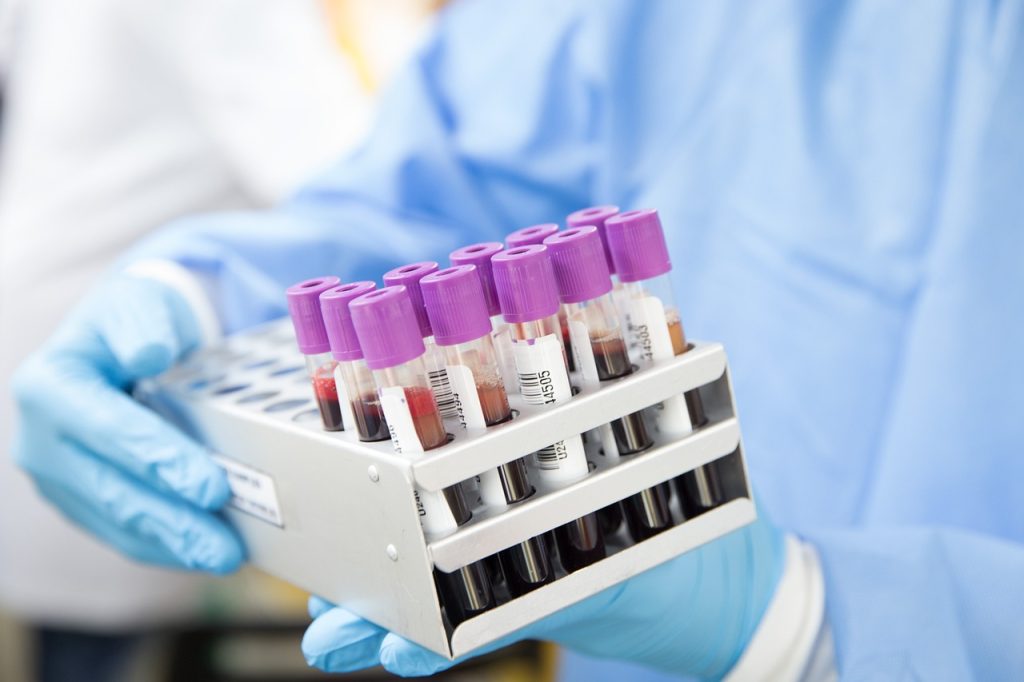
- You’ll get a record showing the vaccine name, batch number and date. Food handlers should keep this for their employer and the local council.
If your employer also needs a medical check-up for food handlers or a pre-employment screening, ask for both at the same visit.
Side effects of the typhoid injection
Most people have no problems, or only mild ones that settle within a day or two:
- a sore, red or swollen arm where the injection went in
- a mild fever, headache or tiredness
- muscle aches or feeling generally unwell
Serious allergic reactions are very rare. The injection is not suitable if you had a severe allergic reaction to a previous typhoid vaccine, and the Vi polysaccharide vaccine isn’t used under 2 years old. If you have a fever or are acutely unwell on the day, the doctor will usually ask you to come back when you’re better. If you’re pregnant or breastfeeding, the doctor will weigh your risk of typhoid before vaccinating.
See a doctor if…
you develop a fever lasting more than two or three days, especially after travel or after eating outside, together with stomach pain, headache or weakness. The vaccine doesn’t protect against every case, and typhoid needs antibiotics. Food handlers who have a fever or diarrhoea should stay off work and tell their supervisor.
The vaccine works best with good food hygiene
- Wash your hands with soap and water after using the toilet and before handling food.
- Drink boiled, bottled or properly treated water, and avoid ice of unknown source when travelling.
- Eat food that is cooked thoroughly and served hot. Peel fruit yourself.
- Keep raw and cooked food apart, and keep cooked food covered.
Get your typhoid injection at CareClinics
Typhoid vaccination is available at CareClinics clinics across Malaysia, and you’ll leave with a vaccination record for your employer or council. Find your nearest CareClinics or book an appointment. Running a food business? Our Corporate Health team can help you keep your whole team’s vaccinations and screenings up to date.
Frequently asked questions
How long does a typhoid injection last?
The Vi polysaccharide typhoid injection used in most Malaysian clinics protects for about three years. If you are still at risk after that, for example because you work with food or travel often, you need a booster. Some authorities, such as the US CDC, advise a booster every two years for travellers.
Is the typhoid injection compulsory for food handlers in Malaysia?
Yes. Under the Food Hygiene Regulations 2009, every food handler must be vaccinated against typhoid and attend a food handler training course recognised by the Ministry of Health. Food premises can be ordered to close for up to 14 days and fined if they don’t comply.
How far in advance should I get the typhoid vaccine before travelling?
Get it at least two weeks before you leave. Protection takes about two weeks to build up after the injection.
What are the side effects of a typhoid injection?
Most people only get a sore, red or swollen arm, and sometimes a mild fever, headache or tiredness, which settle within one to two days. Serious allergic reactions are very rare.
Can I still get typhoid after the injection?
Yes. The vaccine prevents roughly half to four-fifths of cases, so it lowers your risk a lot but doesn’t remove it. Keep washing your hands, and choose safe food and water. See a doctor if you get a fever lasting more than two or three days.
Can children have the typhoid injection?
The Vi polysaccharide injection can be given from 2 years old. Typhoid conjugate vaccines can be given from 6 months old where they are available. Ask the doctor which one suits your child.
Can I have the typhoid injection with other vaccines?
Yes. It can be given at the same visit as other vaccines, such as hepatitis A or influenza, usually in a different arm.
Sources
- World Health Organization: Typhoid fact sheet
- US CDC: Typhoid vaccine information statement
- The Star: Get vaccinated for typhoid, MOH tells food handlers at fairs, expos (Feb 2025)
- Malay Mail: Health Ministry mandates typhoid vaccination for food handlers at fairs and expos (Feb 2025)
Last updated 1 November 2026. This article is general health information, not a diagnosis or a substitute for advice from your own doctor. Guidelines and travel or work requirements change, so check with a CareClinics doctor before you act on it.