In short
- A Pap smear checks the cervix for cell changes that could turn into cancer, years before any symptoms.
- Malaysia’s screening programme covers women aged 20 to 65 who have ever been sexually active.
- The test takes about five minutes. It may feel uncomfortable, but it shouldn’t hurt.
- Most abnormal results are not cancer. They usually mean a follow-up test or a repeat smear.
Cervical cancer is one of the most common cancers among Malaysian women. It is also one of the most preventable, because regular screening finds changes early, while they are easy to treat. Yet many women in Malaysia have never had a Pap smear, or haven’t had one for years. This guide explains who should have one and how often, how to prepare, what happens during the test, and what your results mean.
What is a Pap smear?
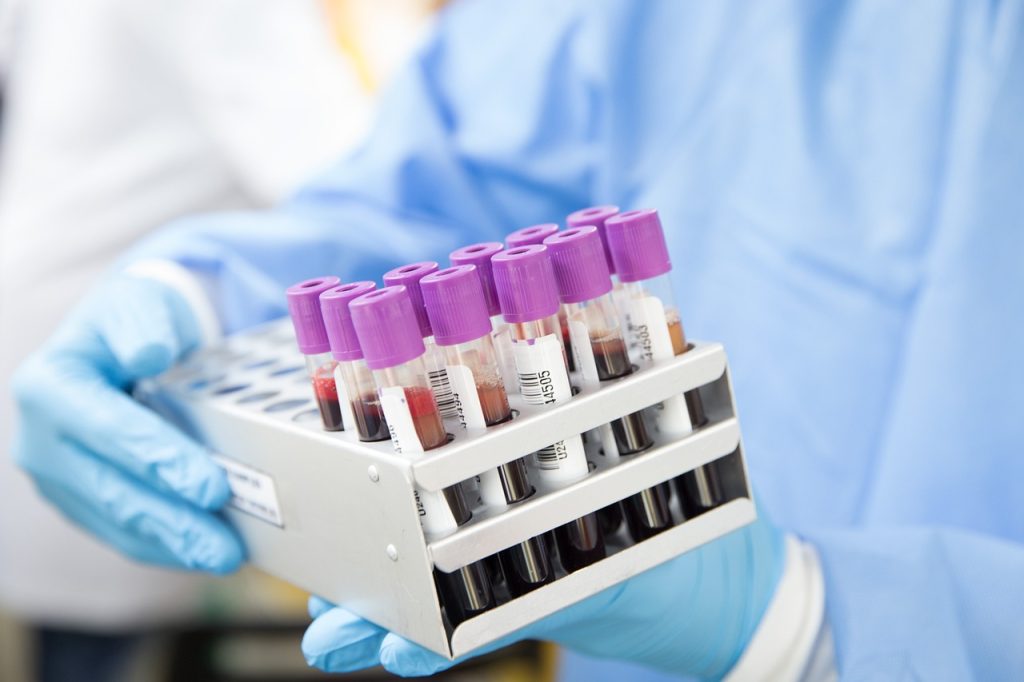
A Pap smear (also called a Pap test or cervical smear) collects a small sample of cells from the cervix, the neck of the womb. A laboratory examines the cells under a microscope for abnormal changes.
Almost all cervical cancers are caused by long-lasting infection with high-risk types of human papillomavirus (HPV), a very common virus passed on through sexual contact. Most HPV infections clear by themselves. When one doesn’t, it can slowly change the cells of the cervix over several years. Screening catches those changes long before they become cancer.
Who needs a Pap smear, and how often?
Malaysia’s national programme offers cervical screening to women aged 20 to 65 who have ever had sex. A typical schedule looks like this:
| Situation | Test | How often |
|---|---|---|
| Starting screening | Pap smear | Once a year for the first two years |
| Two normal Pap smears in a row | Pap smear | Every 3 years |
| Age 30 and above, where HPV testing is offered | HPV DNA test | Every 5 years if the result is negative |
| Over 65 with consistently normal results | None | Your doctor may advise that you can stop |
Keep screening even if:
- you’ve had the HPV vaccine (Malaysia has offered it to 13-year-old schoolgirls since 2010). It doesn’t cover every cancer-causing type of HPV.
- you’re no longer sexually active, have had only one partner, or have been through menopause.
Your doctor may suggest a different schedule if you’ve had abnormal results before, have a weakened immune system, or have had a hysterectomy.
Pap smear vs HPV DNA test: what’s the difference?
- A Pap smear looks for abnormal cells that have already formed.
- An HPV DNA test looks for the virus that causes those changes, so it can flag risk earlier. Because a negative result is very reassuring, it only needs repeating every five years.
The Ministry of Health is moving towards HPV testing as the main screening test, including self-sampling kits under programmes such as ROSE. Both tests are valid screening; the best one is the one you actually do.
Conventional vs liquid-based cytology (LBC)
In a conventional smear, the cells are spread on a glass slide. In liquid-based cytology (LBC), the brush is rinsed into a small vial of liquid instead. LBC gives the lab a cleaner sample, so fewer tests come back “unsatisfactory”. An HPV test can also be run on the same sample, which saves you a second visit if it’s needed.
How to prepare for a Pap smear
- Book it mid-cycle, about 10 to 20 days after the first day of your period.
- Avoid your period. Blood can make the sample harder to read. If your period starts unexpectedly, call to reschedule.
- For 48 hours before, avoid sex, douching, vaginal creams, pessaries and lubricants.
- Tell the doctor if you’re pregnant, have had abnormal results before, or have any symptoms.
- Wear a skirt or dress if you’d feel more comfortable. You can ask for a chaperone, and ask whether a female doctor is available.
What happens during the test
- You undress from the waist down and lie on the examination couch with your knees bent, covered with a sheet.
- The doctor gently inserts a speculum to see the cervix.
- A small soft brush or spatula sweeps cells from the cervix. This takes a few seconds and may feel like pressure or a brief pinch.
- The speculum is removed and you can get dressed. The whole visit usually takes under 15 minutes.
Some women have light spotting afterwards. This is normal and settles within a day.
Pap smear results explained
Results usually take one to two weeks. Here’s what the common terms on the report mean:
| Result | What it means | Usual next step |
|---|---|---|
| NILM (negative for intraepithelial lesion or malignancy) | Normal. No abnormal cells were found. | Continue routine screening. |
| Unsatisfactory | Not enough cells, or the sample was hard to read. It says nothing about your health. | Repeat the smear, usually after about three months. |
| ASC-US (atypical squamous cells of undetermined significance) | Slightly unusual cells, often from an HPV infection that will clear. | An HPV test, or a repeat smear in 6 to 12 months. Colposcopy if HPV is found. |
| LSIL (low-grade squamous intraepithelial lesion) | Mild changes caused by HPV. These often go away by themselves. | Colposcopy or close follow-up, as your doctor advises. |
| ASC-H (atypical squamous cells, cannot exclude HSIL) | Unusual cells where a higher-grade change can’t be ruled out. | Colposcopy. |
| HSIL (high-grade squamous intraepithelial lesion) | More significant pre-cancerous changes. This is not cancer. | Colposcopy, and usually a simple treatment to remove the abnormal area. |
| AGC (atypical glandular cells) | Unusual cells from the glandular lining of the cervix or womb. | Colposcopy, sometimes with a sample from the womb lining. |
A colposcopy is a closer look at the cervix with a magnifying instrument, done by a specialist, sometimes with a small biopsy. Pre-cancerous changes found this way can usually be treated in a short outpatient procedure.
See a doctor now, don’t wait for screening, if you have…
bleeding between periods, after sex or after menopause, an unusual or smelly vaginal discharge, or pain in the pelvis or during sex. A Pap smear is a screening test for women without symptoms. Symptoms need a proper examination.
Book your Pap smear at CareClinics
Pap smears are available at CareClinics clinics across Malaysia, and our doctors will explain your results and any next steps. Find a clinic near you or book an appointment. Want a fuller check? See the women’s health screening packages under EmpowerHer Health.
Frequently asked questions
Can I get a Pap smear during my period?
It’s best not to. Blood can make the sample harder to read, especially with a conventional smear. Book your test about 10 to 20 days after the first day of your period, and reschedule if your period starts.
Does a Pap smear hurt?
Most women feel pressure or mild discomfort for a minute or two, not pain. Breathing slowly and relaxing your muscles helps. Tell the doctor if it hurts; a smaller speculum can be used.
What does NILM mean on a Pap smear?
NILM stands for “negative for intraepithelial lesion or malignancy”. It is a normal result: no abnormal or cancerous cells were seen, and you can continue routine screening.
Is an HPV DNA test the same as a Pap smear?
No. A Pap smear looks for abnormal cervical cells, while an HPV DNA test looks for the high-risk human papillomavirus that causes those changes. A negative HPV test means you usually don’t need another for five years.
How often should I have a Pap smear in Malaysia?
Women aged 20 to 65 who have ever been sexually active usually have a Pap smear once a year for the first two years, then every three years if both results are normal. Where HPV DNA testing is used, a negative test is repeated every five years.
At what age can I stop having Pap smears?
Many women can stop after 65 if their previous results have been consistently normal. Your doctor will confirm this based on your history.
How long do Pap smear results take?
Usually about one to two weeks, depending on the laboratory.
Can I have a Pap smear while pregnant?
Yes, it is safe during pregnancy if you’re due for screening. Tell the doctor you’re pregnant; some may suggest waiting until after delivery if you’re up to date.
Sources
- World Health Organization: Cervical cancer fact sheet
- Ministry of Health Malaysia: Guidelines for Primary HPV Testing in Cervical Cancer Screening in Malaysia
- Current Oncology: The implementation of a primary HPV self-testing cervical screening program in Malaysia through Program ROSE
Last updated 1 November 2026. This article is general health information, not a diagnosis or a substitute for advice from your own doctor. Guidelines and travel or work requirements change, so check with a CareClinics doctor before you act on it.